The connection between June bugs & raccoons is grubs. Something has been digging up my garden since September. I was pretty sure it was a raccoon.

Raccoons are omnivores (they eat food of plant or animal origin), very smart, and take every opportunity to look for food. They dig for grubs, then they wash their muddy hands in available water before they eat. One tipped over my birdbath and left a little muddy water, then defecated a foot away.

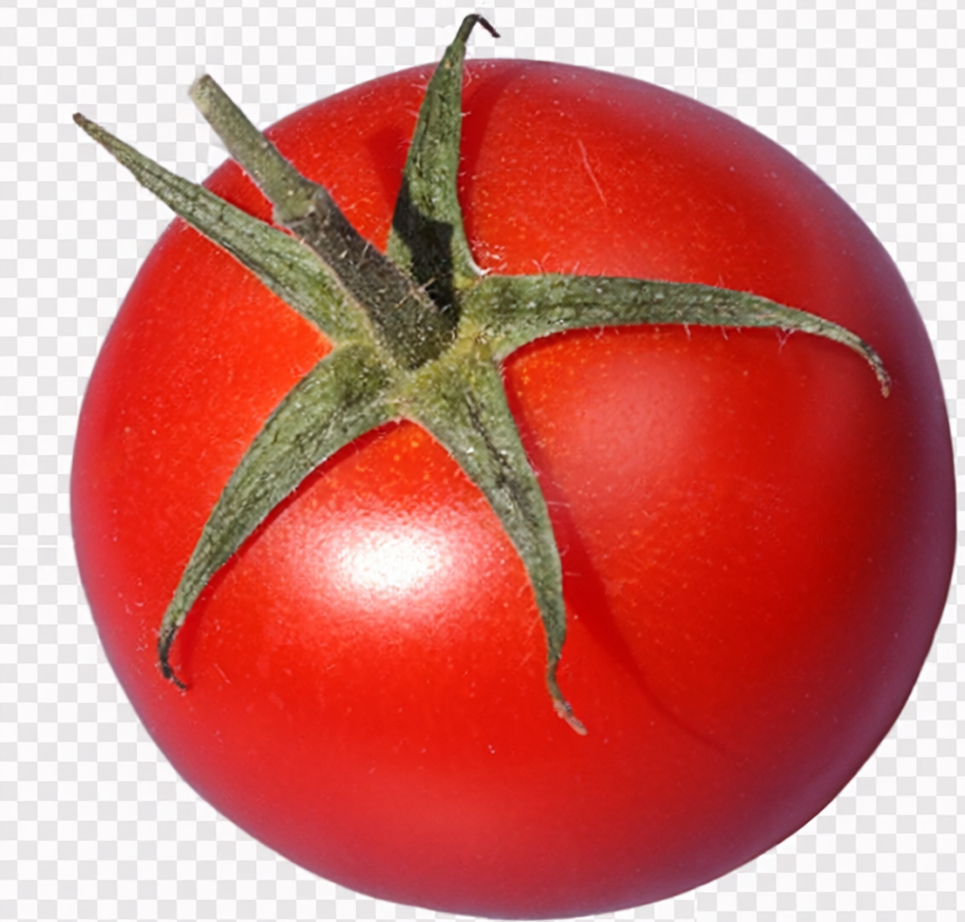
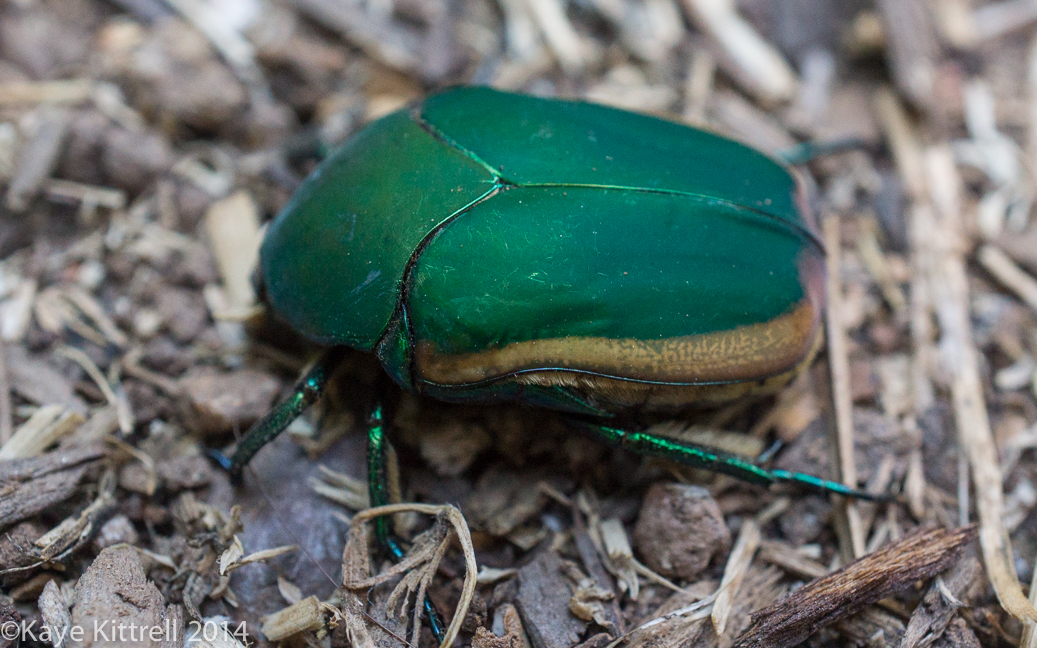
Watch “Growing Heirloom Tomatoes Part 2” of “Late Bloomer” and you will see that I had a lot of June bugs (aka Figeater beetles) flying around the garden this summer, much more than I’ve ever seen. Cotinis mutabilis, known as the figeater beetle (also green fruit beetle or fig beetle and also Junebug), is a member of the scarab beetle family. – Wikipedia
After I pulled out the tomato vines, I covered the area with a layer of tree stump grindings (this is where I got the wood chips), then moved my cloth pots of peppers into that space. Several days I went out to find pots askew.

Figeaters or June bugs burrow along the sides of raised beds and containers to lay eggs which become huge grubs, and raccoons (also skunks and possum) dig around these to find the larvae hiding right under the surface.

I got tired of the garden being repeatedly dug up. I thought all the grubs had been squished by me or eaten by raccoons, but the foragers kept coming. So I called Jeremy at Animal Capture Wildlife Control, a highly professional, wildlife capture specialist who’s extremely humane and relocates the trapped animals to the Angeles National Forest. They arrived on Monday and set three traps. He discovered raccoon tracks on my back fence, so we knew what to expect.

It is not recommended to remove raccoons yourself. If you trap a mother, depending on the season, it may have babies in a nest and they will die.

I chose to hire a professional. Jeremy assured me that mothers will be traveling in a pack with their babies in the spring.

Raccoons can be aggressive (males more so than females) when cornered and with long fingers and claws can bite or tear flesh. And they growl like a dog.

California Department of Fish and Wildlife has a listing of area wildlife rehabilitation centers, however you must have obtained permission to drop off wildlife. You have to trap and drop off animals yourself. Check your local laws before attempting to capture wild animals.
The connection between June bugs & raccoons is grubs. They will eat plants but grubs are preferable to my peppers and onions. Traps will be left for a few more days. I realize more can come back. This is an urban area, and we have wildlife looking for food and water. Maybe I can have a few months break. In that time, I hope to set up a motion detector water sprinkler. I hear mammals hate to get wet.
Have you had wildlife digging up your garden? How did you solve the problem? Thanks for reading! – Kaye